If your web traffic took an unexpected dip recently, you aren’t alone. Google’s latest search landscape updates—including the August 2026 Spam Update and stricter site reputation policies—have sent shockwaves through the digital space.
For years, standard SEO meant hitting a keyword density target and pumping out high-volume text. Today, search engines are doubling down on punishing low-effort, mass-produced scaled content.
As a content creator and digital strategist, here is my takeaway: SEO is no longer just a technical game; it’s an audience engagement game.
What Actually Changed?
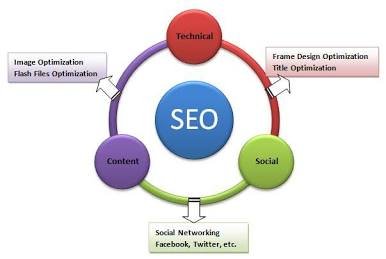
Modern SEO balancing content quality, tech, and social signals. Source: ResearchGate
The latest updates focus heavily on eliminating content made solely for search engines rather than human beings.
- Thin Content Penalties: AI-generated text without unique perspective, human experience, or proprietary data is losing rankings faster than ever.
- Site Reputation Enforcement: Using third-party boilerplate content to quickly gain authority is being flagged and demoted.
- E-E-A-T Realism: Experience, Expertise, Authoritativeness, and Trustworthiness are no longer optional badges—they are the primary filter.
The New Playbook: Building Content That Survives Updates
To build a brand presence that doesn’t collapse with every algorithm change, content strategies must pivot toward authentic authority.
| [ Old SEO Strategy ] [ Modern Content Strategy ] High-volume, keyword-first —> Intent-focused, value-first Generic AI summaries —> First-person experience & commentary Isolated blog posts —> Cross-platform multi-format campaigns |
1. Shift from “Search Intent” to “User Journey”
People don’t just search for raw facts anymore; they want real insight. Instead of writing a generic 500-word post answering “What is X?”, build content that provides real utility—case studies, original visuals, breakdown videos, or actionable breakdowns.
2. Pair Copywriting with Strong Visual Storytelling
Search engines prioritize user engagement signals like dwell time and low bounce rates. Long blocks of plain text don’t hold attention. Modern SEO content needs interactive elements, carousel breakdowns, infographical data, and video hooks to keep readers on the page.
3. Diversify Beyond Organic Search
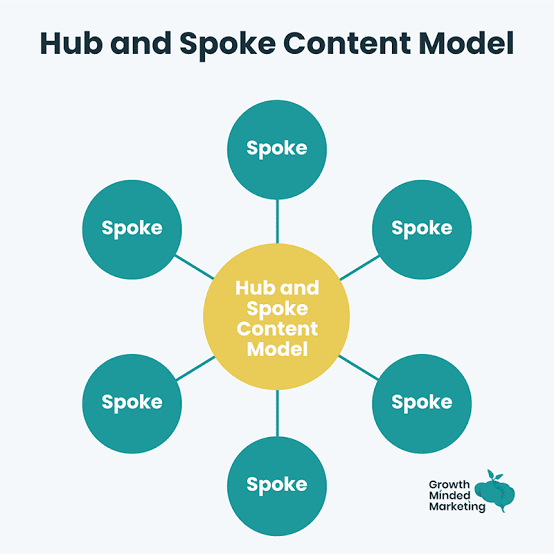
The Hub-and-Spoke Content Model. Source: Growth Minded Marketing
Relying 100% on Google search traffic is high-risk. The brands winning today use a multi-channel hub-and-spoke strategy:
- The Hub: High-value website content and landing pages.
- The Spokes: Short-form video (Reels/TikTok/Shorts), engaging carousel graphics, and active social discussion to drive direct traffic back to the hub.
The Takeaway
Algorithm updates aren’t meant to destroy organic reach—they are meant to clear out the noise. When you focus on creating genuine value, compelling visual narratives, and audience-first copy, algorithm updates stop being a threat and start working in your favor.